
A path is the garden’s first sentence. Materials, edges and planting that turn a walk to the door into a considered arrival.
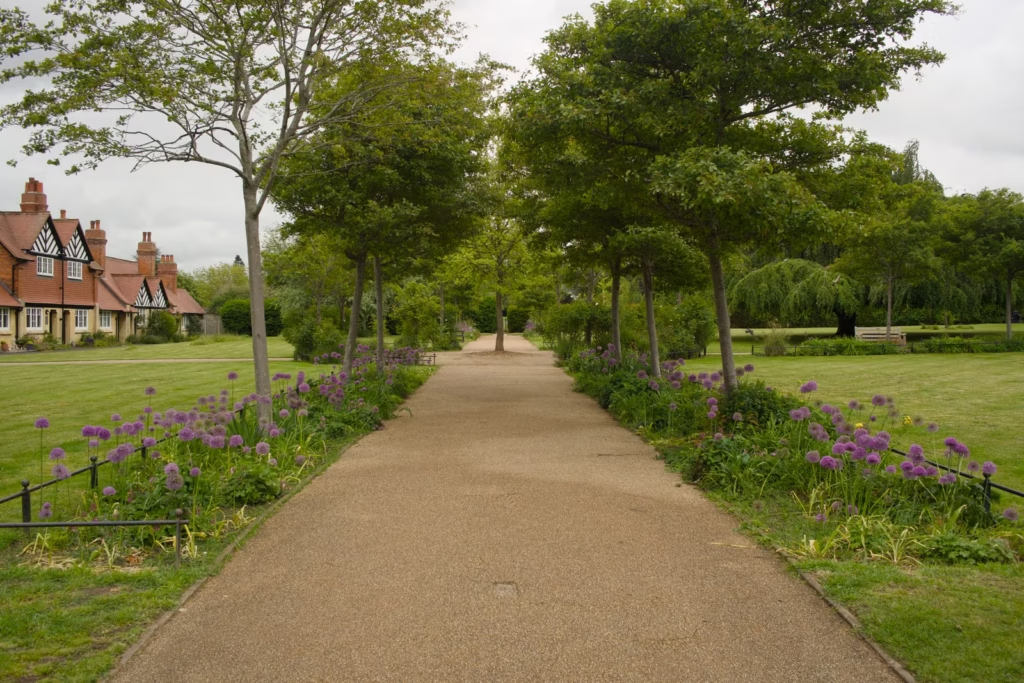
People remember how they arrived. A path that is too narrow, too bright, or lined with leftover plants will hurry guests to the door. A path that is generous, slightly curved, and planted at ankle height asks them to look down, then up, then stay.

Seasonal planting along a path can turn a daily walk into a small ceremony.
Brick with a brick house. Pale limestone with render. Timber boardwalks where the ground is damp. Gravel is forgiving and sounds pleasant underfoot, but it wants a firm edge — steel, brick-on-edge, or a thick band of thyme — so it does not wander into the lawn.
Not every path needs to be efficient. A secondary route of stepping stones through a border, or a mossy stair into a lower garden, gives the plot a sense of discovery. Space stones for a natural stride and set them slightly above soil so they stay dry.

Soft edges make even a straight path feel invitational.



Beautiful ideas, helpful tips and outdoor inspiration delivered to your inbox.
PetalShift is a fresh and inspiring gardening space created for people who love plants, flowers, and beautiful outdoor spaces. It focuses on simple gardening ideas, creative inspiration, practical tips, and easy ways to bring more natural beauty into everyday surroundings.